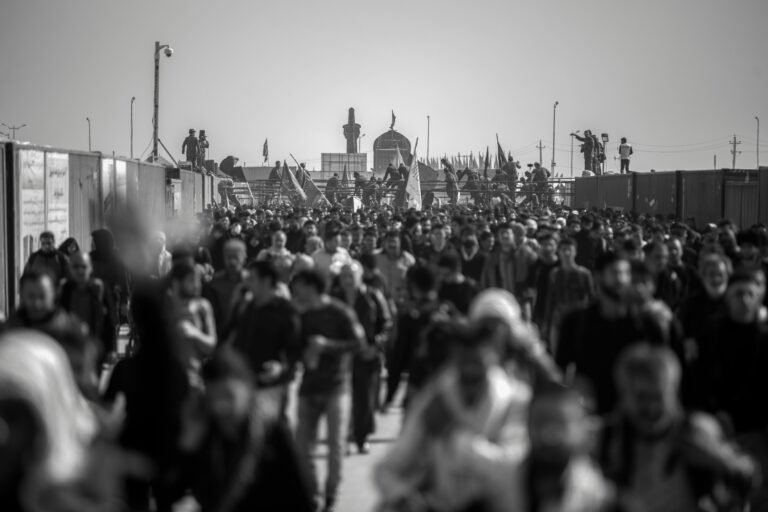
French Policing Faces Scrutiny in the International Press
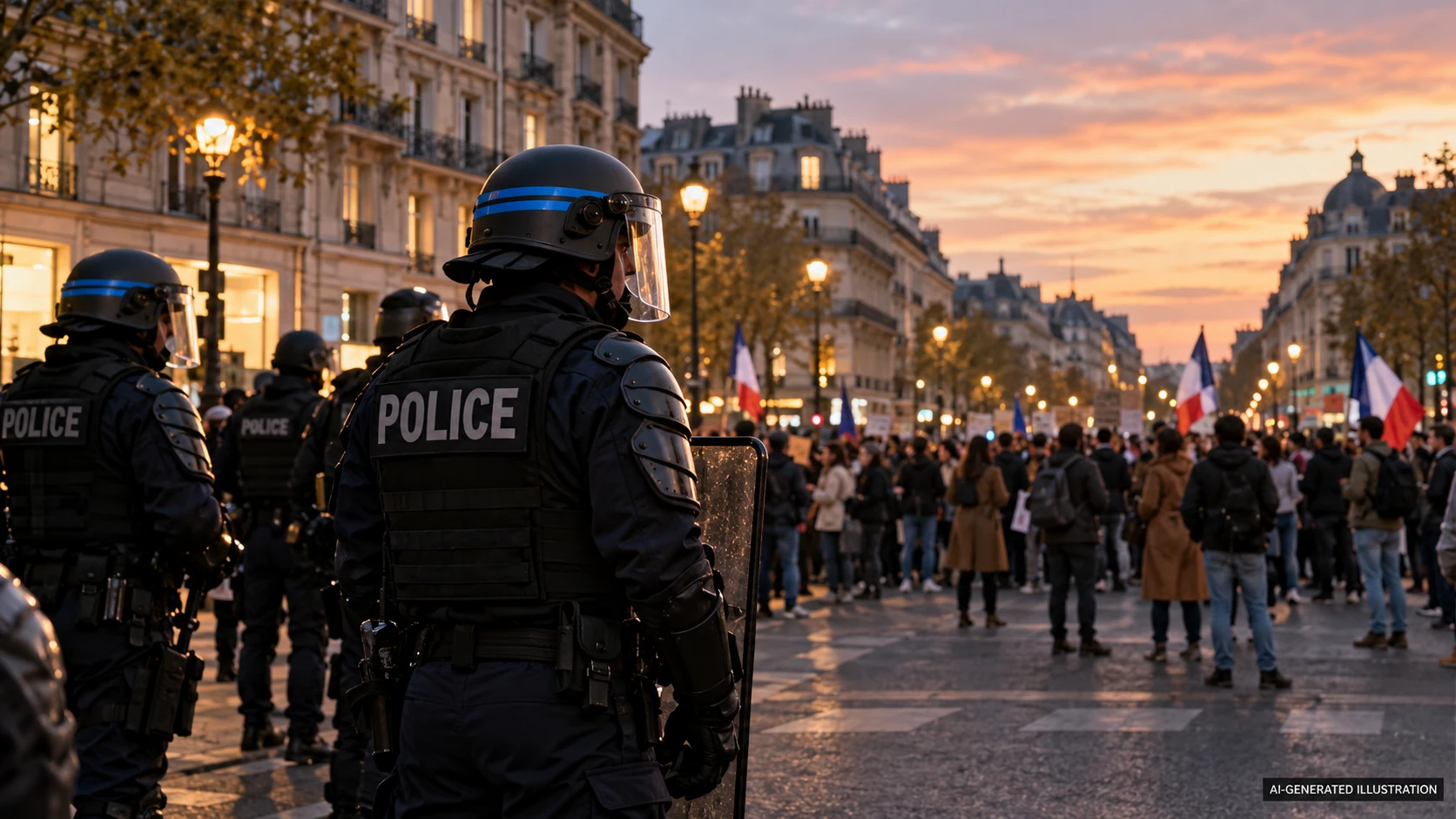
Beyond images of looting and burning streets, foreign media are questioning France’s approach to policing protests. Serious injuries to teenage demonstrators have intensified scrutiny of crowd-control weapons and the government’s response to unrest.
France’s handling of demonstrations is drawing criticism abroad, with international coverage examining both the violence on the streets and the methods used to contain it.
In an Instagram press review, French television programme Quotidien brings together criticism from European and American outlets concerning French policing tactics. Their coverage spans reporting, editorials and expert commentary, with distinct questions about individual incidents, operational decisions and political responsibility.
Serious injuries bring police tactics into focus
Injuries sustained by teenagers during school protests have become a central concern. On October 16, The Guardian reported allegations from lawyers and rights organisations concerning police weapons used against minors. www.theguardian.com
The French government suspended the use of stun grenades during student demonstrations on October 7 after a 15-year-old boy lost a hand in Lens. Reuters reported that the protests were driven by poor school conditions and shortages of resources. www.reuters.com
French authorities reject accusations of systematic repression. Interior Minister Laurent Nuñez has defended police interventions against violent demonstrators, while saying the grenade suspension would remain in place pending clarification of the Lens incident. Police officers have also suffered substantial injuries during the clashes. www.theguardian.com
A debate extending beyond individual officers
Writing in Swiss newspaper Le Temps, CNRS research director Sebastian Roché places political responsibility at the centre of the discussion. His commentary challenges the tendency to treat a political and social crisis primarily as a policing problem.
Roché argues that de-escalation and the strict necessity of force have been pushed aside in government rhetoric. His article offers an assessment of France’s approach to public order, rather than a judicial finding about specific police interventions. www.letemps.ch
Britain’s The Independent has also criticised the authorities’ response, arguing in an editorial that excessive force risks worsening the crisis. www.independent.co.uk
Together, these critiques raise a broader question: how much can policing achieve when the grievances driving demonstrations require political decisions?
The government has promised proposals addressing students’ demands by the end of October, including measures concerning teacher availability and school buildings. Those proposals will provide an initial test of its response to the underlying causes of the mobilisation. www.reuters.com